Events10 Jun 2026
Outsourcing inside government procurement rules: the practical route
A field note from this year's procurement forum: what tender committees actually ask about CX outsourcing, and how to answer.
Read moreEvery automation business case starts with deflection, and most of them over-count it. A bot that answers 'where is my order' at 2am looks like pure margin — until the contacts it fails come back as second attempts, twice as long and twice as expensive.
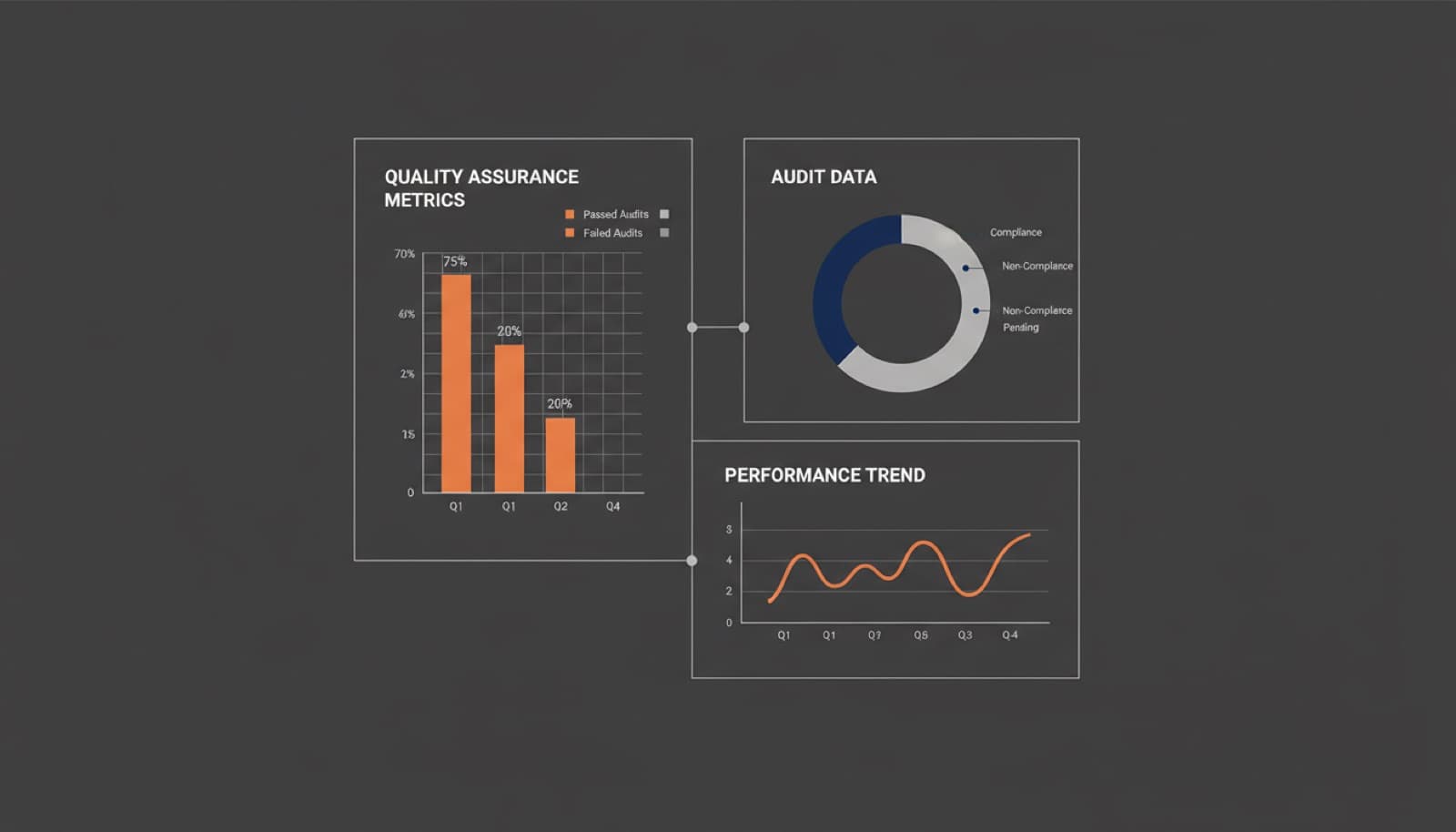
The honest unit of value is cost per resolved contact, not cost per contact deflected. When we measure resolution, the return curve of a typical Arabic-first deployment rises steeply for the top three intents, then flattens hard.
The flattening happens where language nuance meets regulatory nuance: complaints, billing disputes, anything a customer may escalate. Handling those gracefully means handing them to a human with full context — and the handoff has to be built as carefully as the bot.
Our rule of thumb after a dozen deployments: automate the top intents end to end, design the handoff like a product, and stop buying intents past the flattening point. That is where a chatbot stops paying for itself.

Tell us what needs to improve. We will start from the operation, not from a product